 Book my clean
 Get a quote
The Science of Water Window Cleaning
How pure water leaves glass streak-free without a drop of detergent.
Read more — The Science of Water Window Cleaning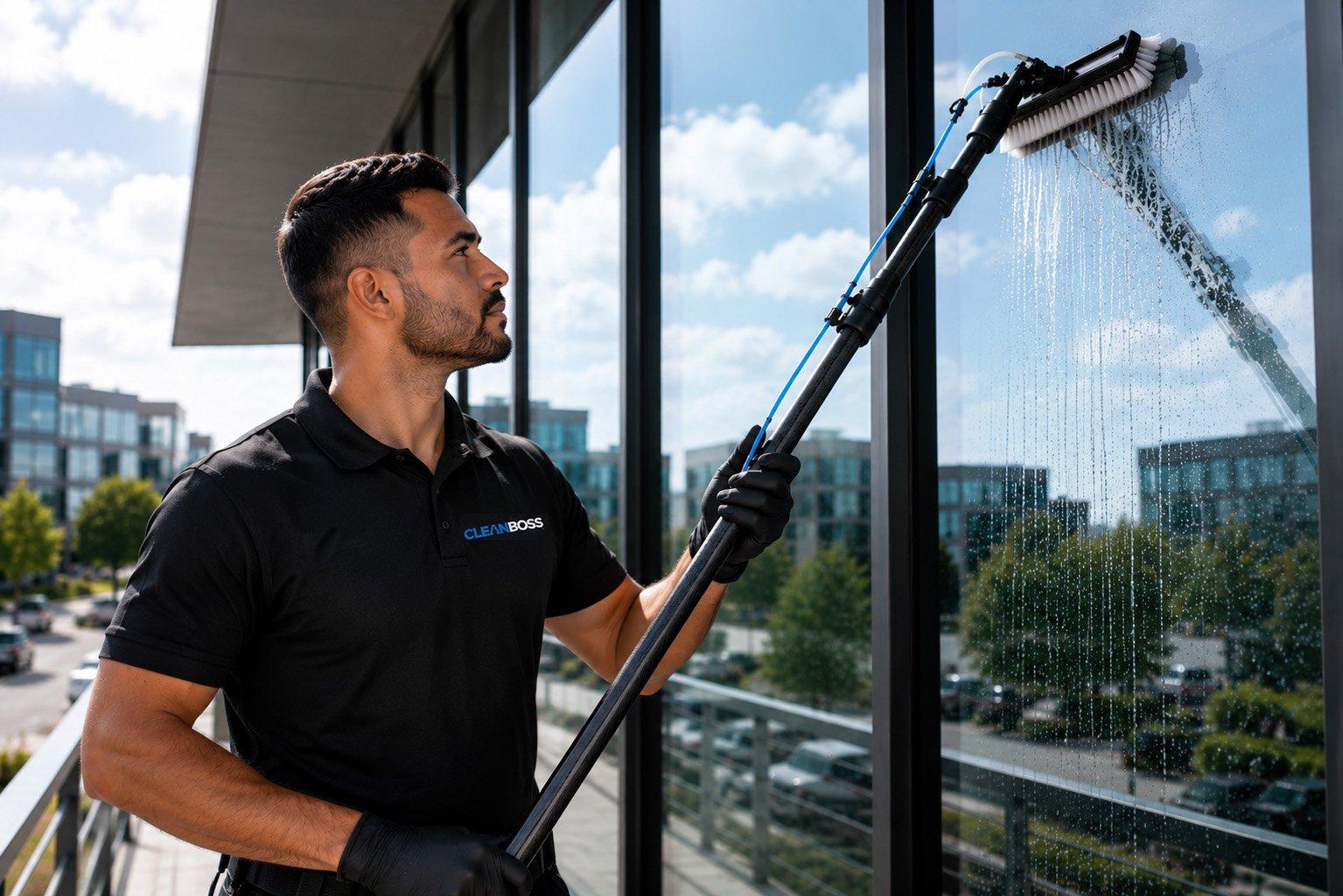
Experience the difference. The greener choice for streak-free windows and a spotless finish, every time.
 +
+
In short: Pure-water window cleaning for homes and businesses across Auckland and the Waikato. Streak-free, ladder-free, spotless every time. Get a free quote.
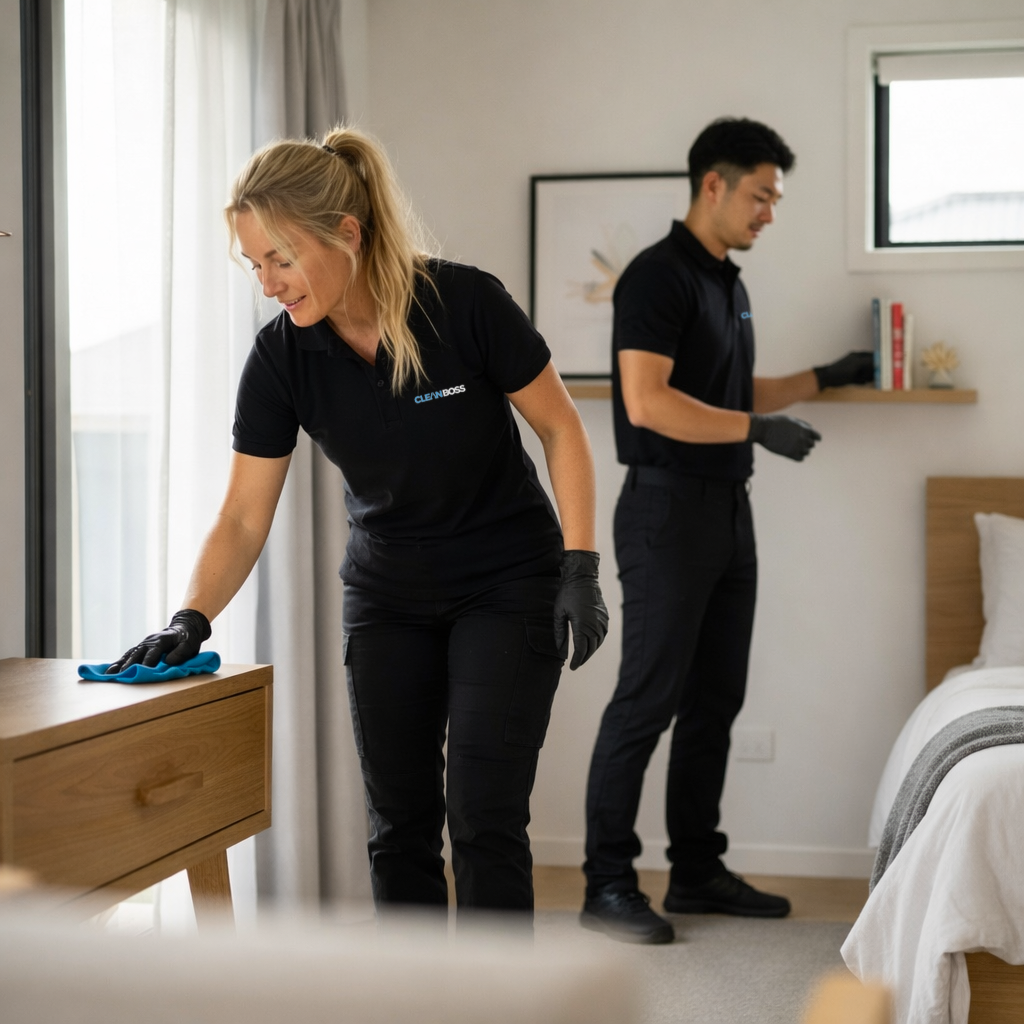
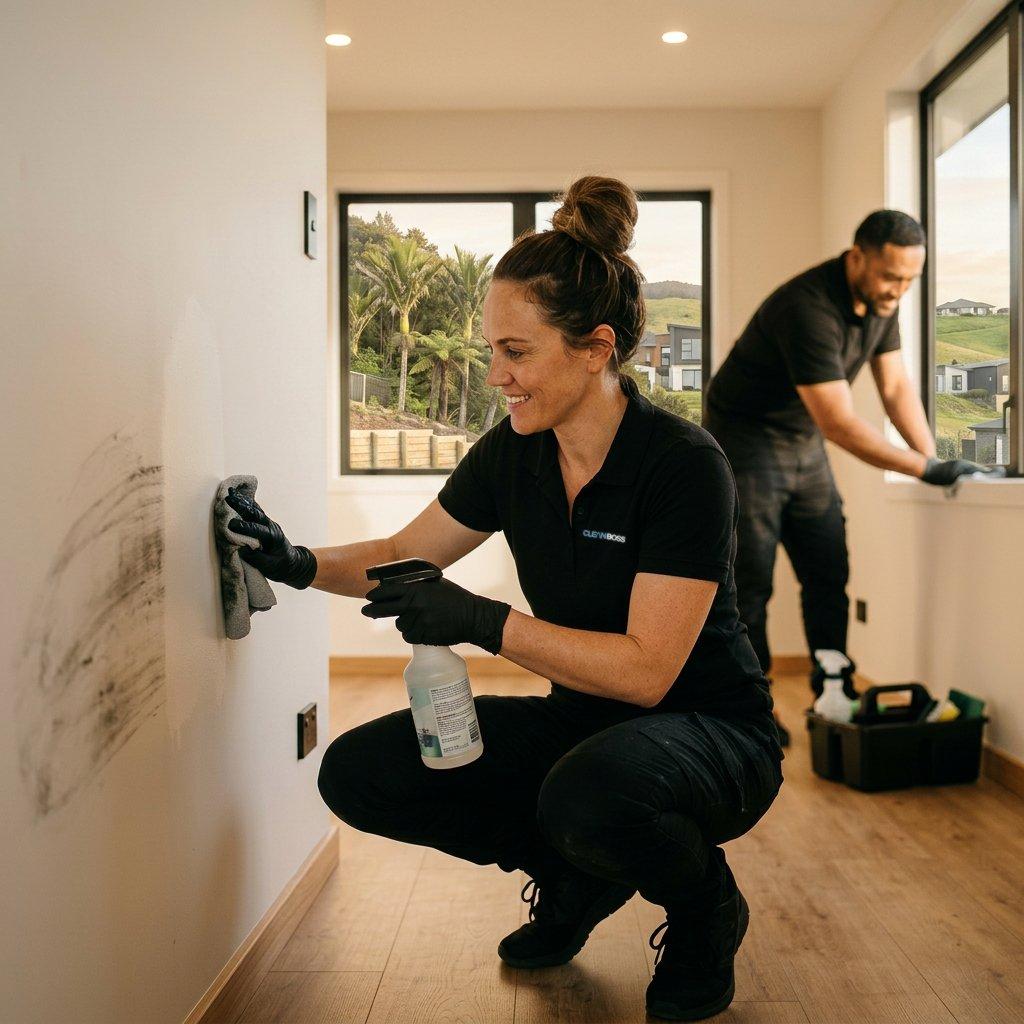
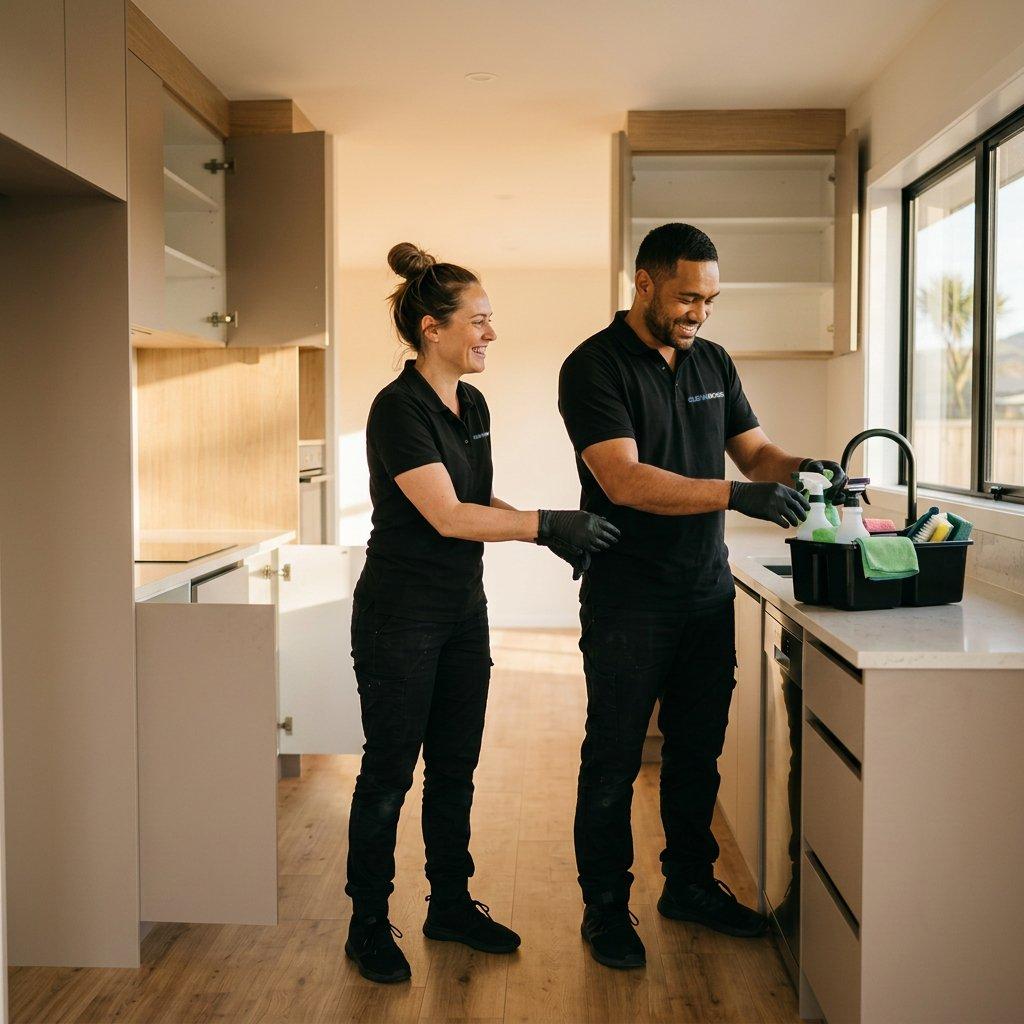
We're a full-service cleaning crew keeping homes and businesses across the North Island looking sharp. Part franchise, part employed team, all clean freaks. No stuffy corporate energy here.
People stick with us for the stuff the big mobs forget: proper work, a friendly face, and actually turning up when we say we will. Revolutionary, we know.
It all kicked off in 2020, peak COVID chaos, when a couple of us got made redundant and started scrubbing farmhouses round Tirau instead. A few years on, that side hustle has turned into something we're pretty proud of.
Book a clean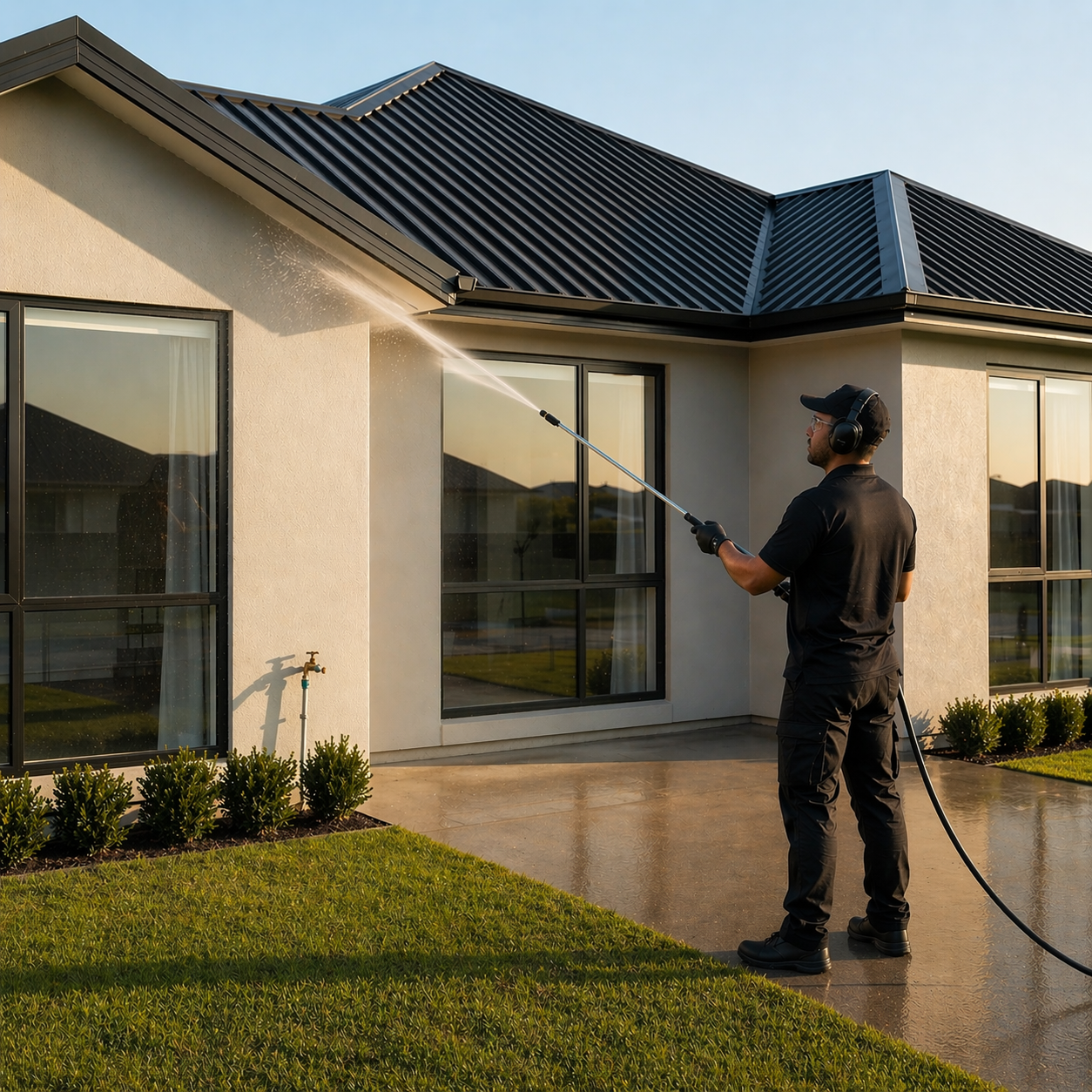
You're not after another cleaning company banging on about "quality" like it's some big selling point. Here's what actually makes us different.
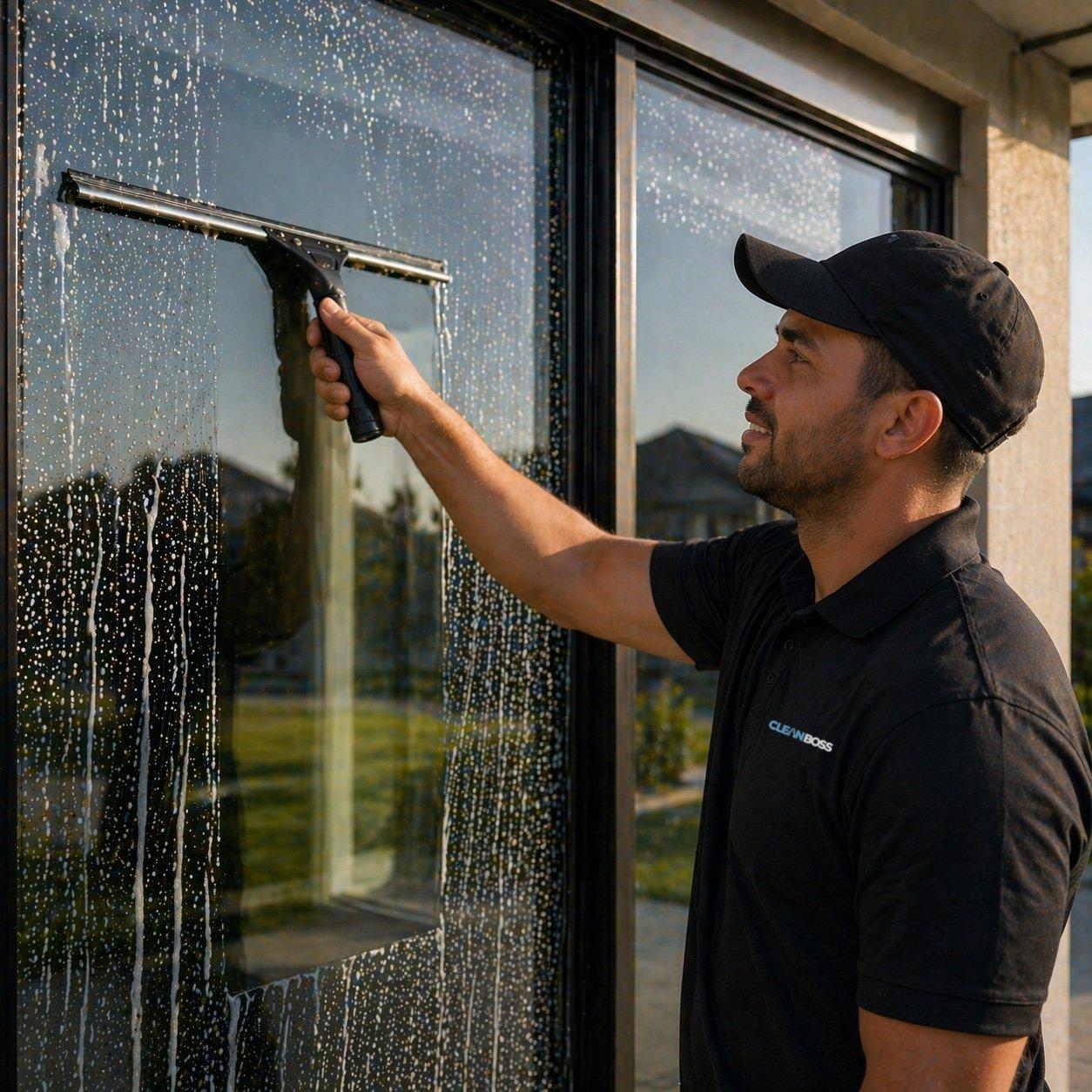
Book with us and we arrive on time, every time, ready to get the job done efficiently and professionally.
We're serious about compliance, so you can rest easy knowing you're working with a transparent, ethical and trustworthy team.
We're not just skilled cleaners, we're great to deal with. A team that's easy to work with and focused on doing the job right.
"We had Sumit and his team come in for a spring clean - internal windows, skirting, a deep clean on the bathroom and surfaces. Absolutely amazing work! They even got the old oven sparkling."
"They did such a terrific job on my move-in cleaning. I am so impressed!!"
"Highly recommend Clean Boss. Their communication was absolutely fantastic and they did an amazing job. So nice to have the post-renovation, pre-tenancy clean all taken care of. Thank you!"
"They were easy to schedule with, highly professional and did a great biweekly cleaning for my rental property."
"Fantastic service! They did an incredible job cleaning my apartment, were on time, very detailed, and very friendly. They were also flexible with scheduling. Would highly recommend!"
"Easy to schedule, very thorough and nice people! Thaisa took the time to work on some specific issues in the apartment on top of a great overall clean."
"The girls did an INCREDIBLE, FANTASTIC, EXCELLENT job! Everything in my house was so perfect. I highly recommend this company. Very good."
"Highly recommend! They did an amazing job, everything was spotless, super detail-oriented, and very reliable. Will definitely be using them again!"
"Easy, professional, well worth it!"
"Very helpful, communicative and prompt with service! Did a great job overall, and I recommend them for your cleaning needs!"
"A real mess for the guys, and they did an amazing job bringing the place back. Best of all... happy wife. We'll be using them fortnightly to keep the place looking as good as it does now."
"This company is really great. I appreciated the personal touch and the professionalism. The crew did a great job and made sure I was happy with the quality of the work. I'd highly recommend them to all."
"Thank you so very much for the amazing job that your team did at our new place. We feel so much better now knowing our ceilings are lovely and clean."
"I would highly recommend Clean Boss. They did an end-of-tenancy clean for us and did a very thorough job. The communication was excellent as well. I would definitely use them again."
"I've hired other cleaners before and haven't been satisfied with the attention to detail. I tried Clean Boss and everything was fresh, clean and shiny! Couldn't rate them high enough. Highly recommended."
"Wonderful service by the people who come to help with my housework, vacuuming and cleaning the toilet & bathroom. I look forward to their visit each week, and my house is cleaner and fresher after they've been."
"My helpers are always on time, or text if they're going to be earlier or later. They're honest and reliable, treating my home as if it were their own. I look forward to their visits."
"Thanks Jodi. My cleaner is a top man and the best cleaner I've had in all respects, can't fault him. He's a credit to your company."
"We have Clean Boss go to our mum's and clean for her once a month, and my mum is so happy with what her cleaner does and how lovely he is to deal with. Really makes her day having her home so clean!"
"We love Clean Boss! We've been using their services for over four years now, for both business and our home. Great team, awesome communication and the best service on the market. Highly recommend."
"2 awesome guys. Very happy with the results of my ceilings. Very tidy and clean. Left no mess. Thank you."
"Great service and great communication. Thank you Michael."
"Fantastic service and follow-ups. Would highly recommend."
Can't find what you're looking for? Give us a call and we'll sort it out. No pressure, no sales carry-on.

It uses water filtered to remove all minerals and impurities, so it dries to a crystal-clear, streak-free finish with no detergents needed.
Traditional cleaning uses soapy water, a sponge and a squeegee. Pure water cleaning uses filtered water and no detergents at all.
It's safer, greener and gives a spotless finish, with no ladders or harsh chemicals.
Nope. Because every mineral and impurity is removed from the water, it dries clean with no residue.
Yes, it's gentle and safe for most modern window types.
No ladders, no scaffolding, no worries. The pure water system lets us stay safely on the ground.
Totally. It's just filtered water, no detergents or chemicals, so it's safe for gardens, pets and people.

How pure water leaves glass streak-free without a drop of detergent.
Read more — The Science of Water Window Cleaning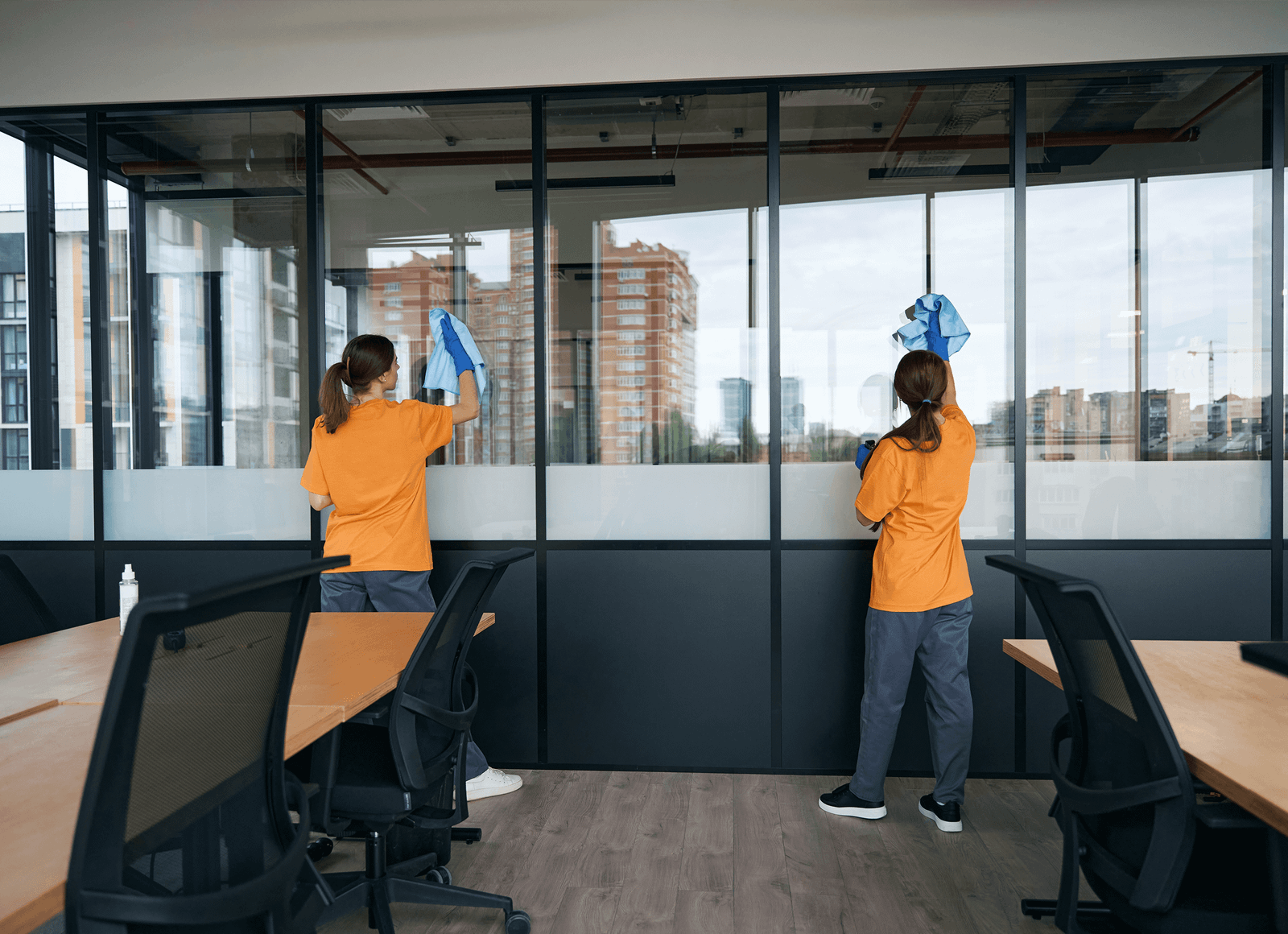
The real difference between the squeegee and the pure-water system.
Read more — Clear Choices: Traditional vs. Pure Water Cleaning
Get the outside of your place looking as sharp as the inside.
Read more — Nailing Your Outdoor Clean-Up GameFill in your details and we'll come back with a quote. No obligation, no weird sales calls.
Prefer to talk? 0800 890 134 or hello@cleanboss.co.nz
Thanks for that. We'll be in touch shortly with your quote. If it's urgent, give us a bell on 0800 890 134.
