How Often Should a Childcare Centre or Medical Clinic Be Cleaned?
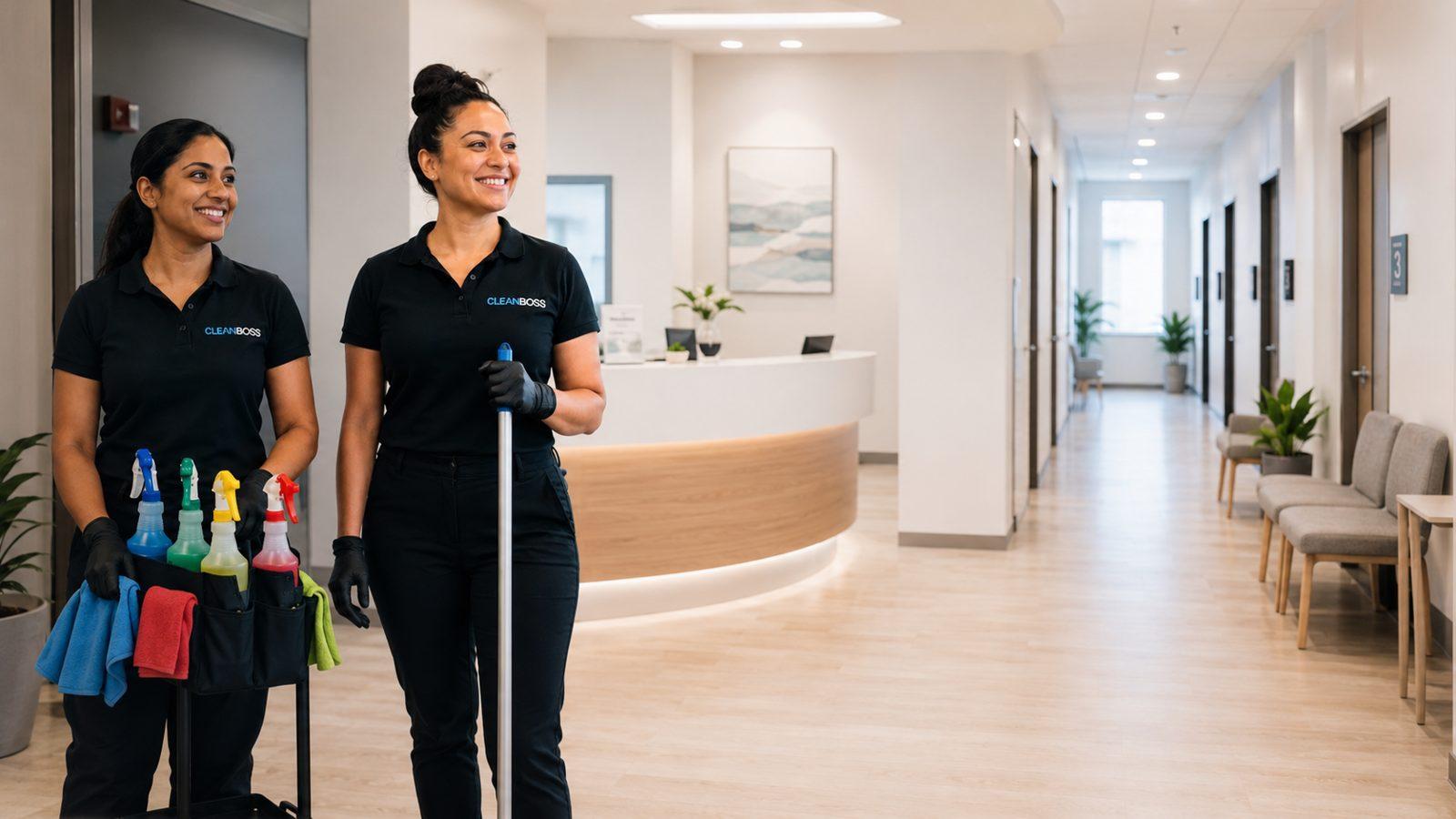
For most businesses, cleaning is about how the place looks. For a childcare centre or a medical clinic, it is about whether people get sick, and that changes the entire conversation. A tired-looking office is a bad look and a slightly awkward client meeting. A poorly cleaned clinic or childcare centre is a genuine health risk, a failed inspection, and in the worst case a story you really do not want your business attached to.
So the standard is higher, the frequency is higher, and the person you hire to do it needs to actually understand the difference. Here is what these sites genuinely require, and what to check before you trust a cleaner with them.
Childcare and early childhood centres
The Ministry of Education's licensing criteria are unambiguous: premises have to be clean, hygienic and safe at all times, not merely tidied at the end of the day. In practice that means a full clean daily, floors, surfaces, bathrooms and nappy-change areas, plus high-touch surfaces and toys wiped through the day rather than only after hours, because a room full of small children generates mess and germs on a timescale that a single end-of-day clean simply cannot keep up with. Bathrooms and toilet areas need disinfecting multiple times daily.
And because cleaners are frequently on site while children are present, vetting is not a nice extra, it is expected, often a licensing condition. Anyone cleaning a centre should be police vetted as a baseline, no exceptions.
Medical and dental clinics
Clinics run to a higher infection-control bar than any ordinary commercial site, and for obvious reasons. A compliant clean generally means a full daily clean of waiting rooms, reception and staff areas, with clinical rooms given a proper daily clean by the cleaning team on top of the between-patient wipe-downs that clinical staff handle themselves. High-touch points, door handles, chairs, EFTPOS terminals, the pen everyone signs in with, get hit multiple times a day, because that is exactly how things spread through a waiting room.
Crucially, it means correctly labelled, hospital-grade disinfectants, not the general-purpose spray that is perfectly fine for an office kitchen. Using the wrong product is not a small shortcut in a clinic. It is the difference between a surface that looks clean and one that is actually safe.
How to check a cleaner is genuinely up to it
For these sites, ask the direct questions and watch how confidently they are answered. Are your staff police vetted? Can you show me documented use of the right disinfectants, not just "we use good products"? Will I get a written schedule built specifically for a clinic or a centre, rather than a generic office scope with the word "medical" pasted into the title?
If the answers are vague or a bit hand-wavy, keep looking. The right provider will have crisp, specific answers, because they deal with this every week and it is second nature. The wrong one will improvise, and improvising is not what you want anywhere near an infection-control standard. All our operators are security vetted, and we scope these sites for exactly what their sector requires rather than reaching for the office checklist and hoping.
Frequently asked questions
Do childcare cleaners need to be vetted?
In nearly all cases, yes. Cleaners are often on site while children are present, so vetting is standard practice and frequently a licensing expectation. All our operators are security vetted.
What products should a clinic cleaner use?
Hospital-grade, correctly labelled disinfectants for clinical and high-touch areas. General household products do not meet infection-control standards, no matter how clean the surface looks afterward.
How often should a waiting room be cleaned?
A full clean daily at minimum, with high-touch surfaces wiped multiple times through the day. It is the highest-traffic, highest-contact space in the building.
Cleaning that would pass an unannounced inspection.
Vetted crews, the right products, and a schedule built for your sector, not a generic one.
Request a quote